

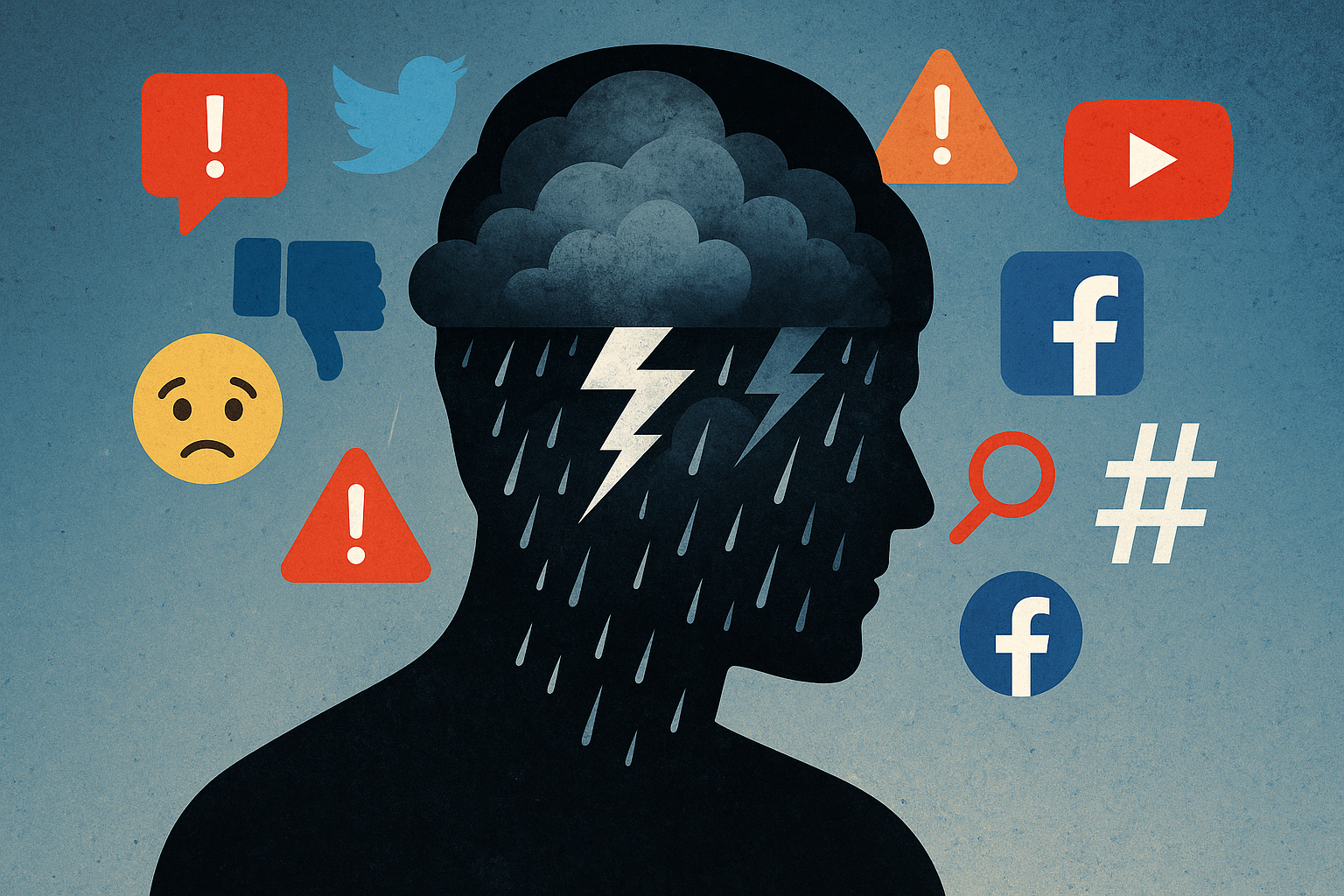
In recent years, the role of social media has far surpassed the boundaries of a simple engagement and visibility tool or a way to “talk to customers”. Today, businesses of all sizes, from small enterprises to large organizations, use social platforms strategically to drive sales, deliver customer service, attract top talent and, of course, strengthen their brand image and build lasting trust with their audience.
However, this constant interaction and openness to dialogue, while essential to boost brand awareness and trust, can also expose companies to significant risks. A single negative conversation online can quickly spiral into a full-blown crisis, threatening both the company’s reputation and its financial stability.
At the same time, effective crisis management practices can turn even the toughest situations into opportunities for growth.
In this article, we will explore:
- What defines a social media crisis?
- What triggers a crisis and how to spot early warning signs?
- Why responding to comments is crucial.
- The lifecycle of a social media crisis.
- How to rebuild trust and brand reputation.
What is a Social Media Crisis?
A social media crisis occurs when there’s a significant and negative shift in online conversations about a company or brand. It’s not just a rude comment or an isolated complaint, it’s a surge of negative reactions or even public calls for a boycott.
Social platforms themselves can spark or amplify these crises, with the potential to cause long-term reputational and financial damage.
One of the most discussed cases in Italy was the so-called “pandoro gate” in 2022. The scandal was linked to the promotion and sale of a popular holiday cake brand through influencer and entrepreneur Chiara Ferragni, who was later investigated for fraud. It’s estimated that Ferragni’s companies lost over €10 million following the crisis.
On a global scale, it’s impossible not to recall Dolce & Gabbana’s 2018 controversy, when the brand was accused of racism towards Chinese culture. The backlash led to a major decline in sales across China, a situation that still affects the brand today, partly due to a poorly received apology video.
More recently, in 2025, jewelry brand Amabile Jewels, founded by influencer Martina Strazzer, faced public criticism after a former employee claimed her contract was not renewed following maternity leave. The situation exposed a contradiction between the brand’s previous storytelling (which had celebrated hiring a pregnant woman as a core value) and its actual actions.
What Triggers a Social Media Crisis and How to Spot the Warning Signs
As the examples above show, a crisis can arise from a variety of triggers: offensive posts or inappropriate behavior from employees, PR missteps, product defects, or even fake news spreading virally online.
Given the potential severity of the risks involved, it’s crucial for companies to detect early warning signs through constant social listening and sentiment analysis tools.
Common red flags include:
- A sudden spike in negative mentions or complaints.
- Backlash or boycott calls from influencers.
- A sharp and rapid drop in engagement across channels.
- Negative trending hashtags related to the brand.
- Viral negative content or comments.
- Negative media coverage.
- Internal company conflicts made public.
Why Responding to Comments Matters During a Social Media Crisis
Effective comment management is a cornerstone of crisis communication. Responding, whether to positive or negative comments, shows genuine care for your community. It doesn’t just contain dissatisfaction; it helps build long-term trust.
Even a single negative comment, if ignored or poorly handled, can escalate into a full-blown social media crisis. According to Sprout Social Index™, around 75% of consumers expect a brand’s response within 24 hours. This expectation becomes even more critical during a crisis.
When replying, whether publicly or privately, it’s important to adapt your tone of voice to the context, the user’s emotion, and the nature of the comment, while maintaining brand consistency. A prompt, transparent, and empathetic response, paired with a sincere apology, can significantly shorten the lifespan of a crisis.
What is the Life Cycle of a Crisis on Social Media?
Social media crises typically unfold in three key phases:
1. Pre-Crisis: Identify potential vulnerabilities, assess risks, and implement preventive strategies such as social listening, sentiment monitoring, and creating a clear crisis communication plan with a dedicated response team. The mantra for this stage? The best crisis management begins long before any problems arise.
2. Crisis Response: Often the most chaotic stage. Transparent, empathetic communication with all stakeholders is essential to minimize reputational damage.
3. Post-Crisis: Focus on learning from the event, implementing corrective actions, and rebuilding brand trust and reputation.
How Can You Rebuild Trust and Brand Reputation After a Crisis?
Once the acute phase of a crisis has passed, it’s essential to start a recovery process to rebuild trust and strengthen your brand’s image.
The most important step is to demonstrate a genuine commitment to change through concrete actions. For instance, after being accused in 2022 of promoting inappropriate content and “sexualizing” children in its campaigns, Balenciaga partnered with the National Children’s Alliance to promote awareness around child protection.
Other companies have opted to offer refunds or compensation to customers affected by defective products or service disruptions.
Finally, once sentiment has stabilized, involving influencers and brand ambassadors can help showcase improvements in products or processes, reinforcing positive brand values and trust.
In conclusion, in a digital age where online reputation is more fragile than ever, crisis management is no longer optional, it’s a strategic necessity. Being prepared, identifying warning signs early, and having a clear action plan are what distinguish resilient brands from vulnerable ones.
As the examples show, social media crises can be devastating, but with effective management, they can also become opportunities for growth, transformation, and renewed trust.


Leave a Reply