

Within Digital Marketing, the term “optimization” is often related to SEO, ranking and indexing of content and websites.
But maybe, not everybody knows that there is a parallel universe in which optimization is not about websites’ ranking, but about something else that, still on a daily basis, keeps us company: mobile apps.
We are talking about ASO, i.e. App Store Optimization, that means a process, with specific criteria, in which any action increases an app’s visibility and ranking in a store – be it App Store, Google Play Store alternative ones like My App by Tencent or Huawei’s App Gallery.
Another significant example of what MarTech is: the perfect combination of Marketing and Technology.
To get an idea of the competition among ASO’s professionals, just think of this global market’s numbers: 1,96 million different apps are now available on App Store, while on Google Play Store the choice will be among up to 2,87 million apps (source: https://www.statista.com/statistics/276623/number-of-apps-available-in-leading-app-stores/).
So, thinking that ASO is all about one single action or that such action should be done only once before uploading the app on a store, is completely wrong.
Given the very high level of competition among ASO’s professionals, and considering that store specs can change any minute, supervising any smallest change on a daily basis becomes essential. It takes lots of patience, trying, testing, and changing even one single word, in order to improve the app’s performance.
With this in mind, it is necessary to act accurately on App Store Optimization.

App Store Optimization: DOs and DON’Ts
One of the introductory actions of ASO strategy, as well as of traditional SEO, is certainly the attempt of understanding users’ search intent, as they are seeking for an app to download.
Just like in SEO keywords’ search intent, even in this case trying to foresee what – and how – users will search for the app, can be decisive for ranking.
- Words Are Important
For example, on the App Store, the keywords filed is restricted to 100 characters (basically a 12/15 words). So, it is clear how ASO is important and what a precise and meticulous work it implies.
And, most of all, in order not to incur in rejections by the App Stores, it is necessary to avoid the following:
– Plural of words often included in singular form
– Class names or the word “app”
– Duplicate words (e.g. avoid repeating them in the subtitle and keyword field)
– Special characters, such as # or @, unless they are part of the brand identity
– Unauthorized use of words registered as trademarks, celebrities’ names and other protected words or phrases – although Apple staff rarely enforces those if used in the ‘hidden’ Keywords Field
– Words that are irrelevant for the app
– Names of competitor apps – although Apple staff rarely enforces those if used in the ‘hidden’ Keywords Field
– Irrelevant, inappropriate, offensive or controversial words
- Appealing, Starting from the Name
As users dedicate to any content only the time of a scroll, the app’s name must be captivating. Remember that both on the App Store and on the Google Play Store, the name of an app can include no more than 30 characters.
The same attention given to the name, must be paid to the subtitle (still 30 characters tops) and to a description that, in very few words, should explain the app’s features and functions.
Description should not be as brief as title and subtitle (on the Play Store, for example, it can include up to 4000 characters), but it goes without saying that the first sentence is the most important, as the user can read it without having to click to read more.
Few frills and more content: being as specific as possible is one of the secrets for an app to be successful. - The Proper Category
Every app fits in a category: it may seem like an easy choice, but fitting an app in the primary category can prove to be of great importance in order to get a good ranking. - Looks are Important
The icon is one of the details that can positively impress the users and “push” them into downloading an app. That is why the visual and graphic look of an app must be well-finished, turning it into a further strength for your app. - Reviews and Grading are Essential
When we are picking the destination for our next travel or a restaurant for dinner, we are much influenced by the reviews we read online or by what our friends tell us. In the very same way, app reviews can influence positively our decision of downloading an app. That is why they are so important.
But be careful: gaining them without cheating is the best way to get right to the top (source: https://www.apptentive.com/blog/2011/10/09/better-ratings-for-your-applications/). - Screenshots and Examples Make the Difference
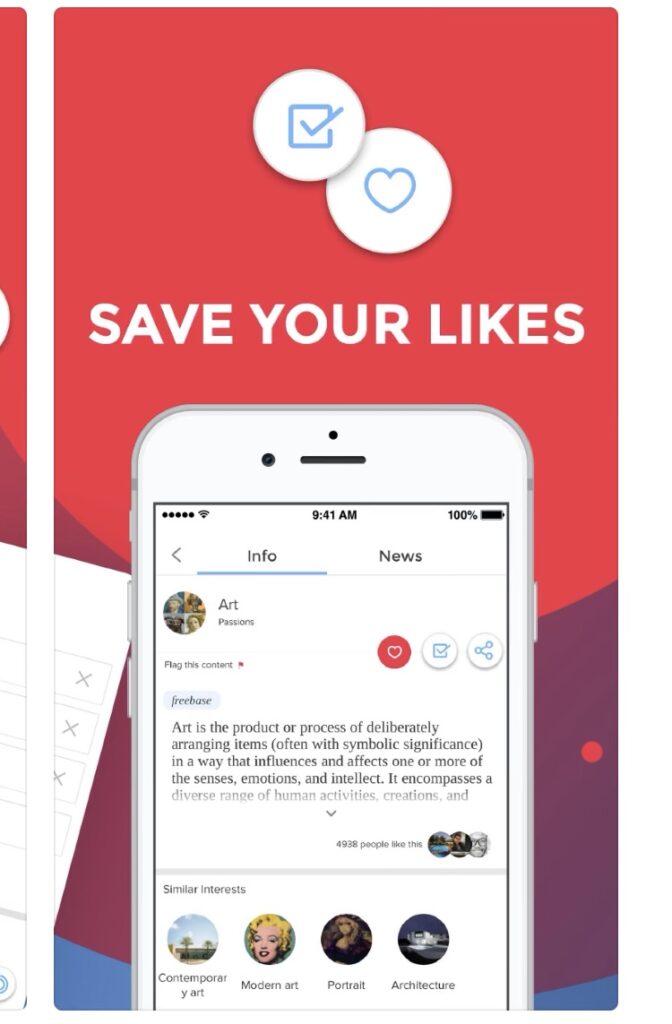
Another aspect not to be underestimated, which affects the work of ASO professionals, is the visual and graphic matter.
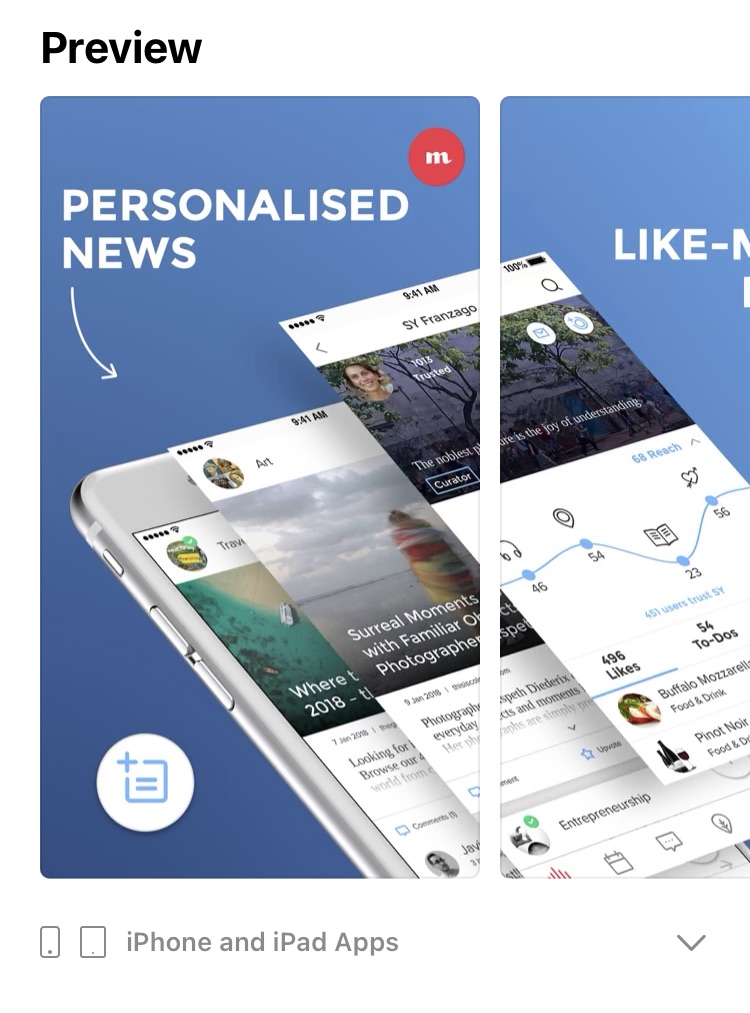
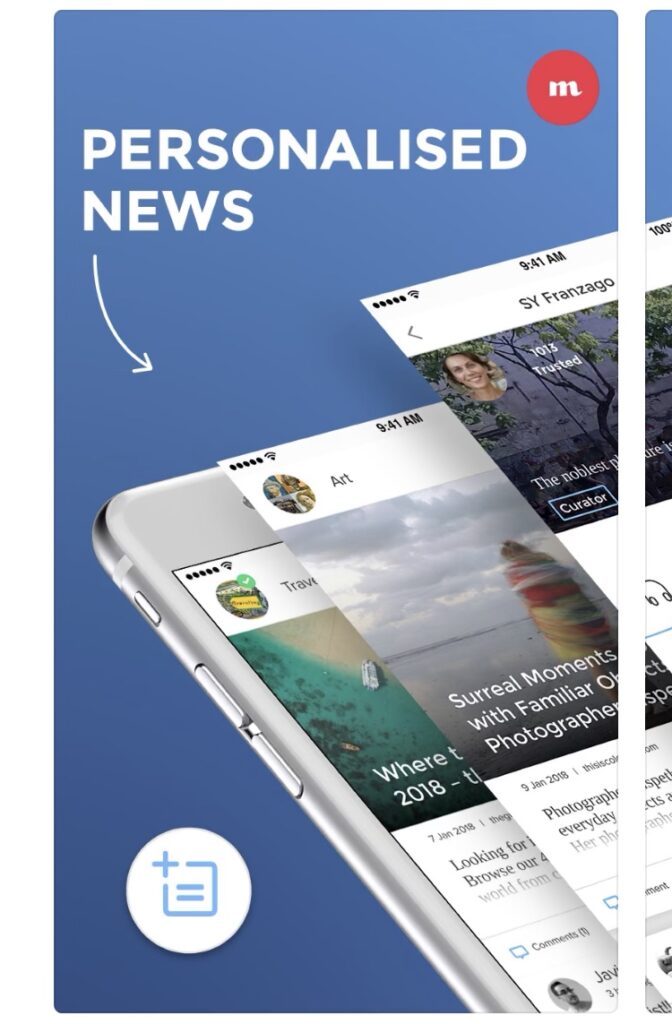
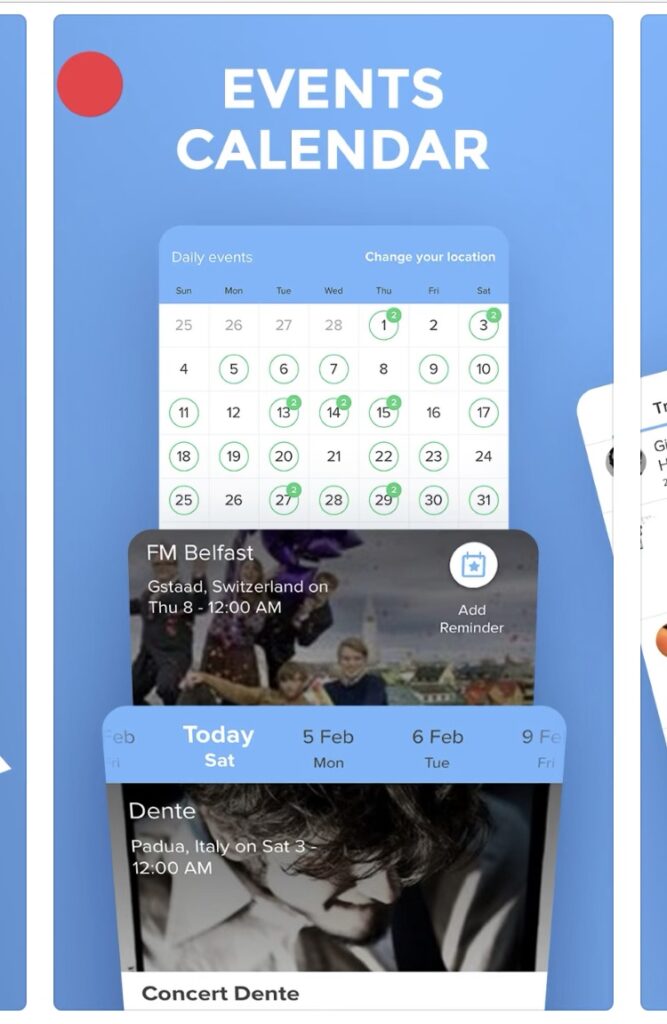
Icons and screenshots that explain, illustrate and describe an app’s features and functions are essential in the process of optimization and ranking. It is not only a matter of esthetics but of user-experience: the easier for users to make a decision, the higher will be the chances for them to download your app.
The first three screenshots, for example, the ones that are instantly visible to the user, are the most important: on them, most likely, will depend the success of an app. That is why they need to be created with bright, clear and easy to read images.
Sources: https://developer.apple.com/app-store/search/
https://developer.apple.com/app-store/product-page/
https://play.google.com/about/developer-content-policy/
Differences Between ASO and SEO
As we already said, keywords included in the app’s title, subtitle and description prove to be decisive for algorithms that determine app stores’ rankings.
Choosing the keywords must be an accurate process, as it is fundamental to defeat thousands of competitor apps, maybe with similar features or goals. It also needs to follow a precise benchmarking, as it is very likely for the app to be suspended or rejected.
This could happen, for example, whenever irrelevant keywords are included in the metadata.
Moreover, while the iteration of keywords is essential for a website’s SEO strategy, when it comes to ASO things are quite different.
In this regard, the policies of the two main stores show some differences. On the Android store, which is part of the Big G family, the algorithm does not differ much from the search engine’s one: this means that the iteration of keywords – just like in SEO – proves to be a good practice for ASO as well (obviously you should avoid an use – repeating the keyword up to 4-5 times in the description is the best practice).
On the contrary, on the App Store this type of optimization works in the exact opposite way: Apple’s guidelines on the matter, in fact, advise to use each keyword only once.
Eventually, unlike websites, which can potentially rank even for a high number of keywords, the number of keywords for which an app on the App Store can aim to rank is very low.
Apps that usually show up in the Top10, get that ranking for 65-100 keywords on the App Store and for 60-105 keywords on the Google Play Store (source: https://www.tune.com/blog/app-store-optimization-win-google-play-app-store-search/).
Long-tail strategy (i.e. Search Terms consisting of 3 or more keywords, usually more specific and punctual than more general ones and, as a consequence, with less search queries and traffic), is an often used and successful strategy for SEO, while it is rather useless for ASO. This is due to the fact that stores’ search queries are shorter and so a long-tail keyword would be less competitive.
Lastly, let us briefly go through the different timing of the two processes. SEO is often a slow process, which can bring to results even after months of work, while improvements (or worsenings) caused by ASO strategies can show even after a single day.
Numbers and Facts About Apps
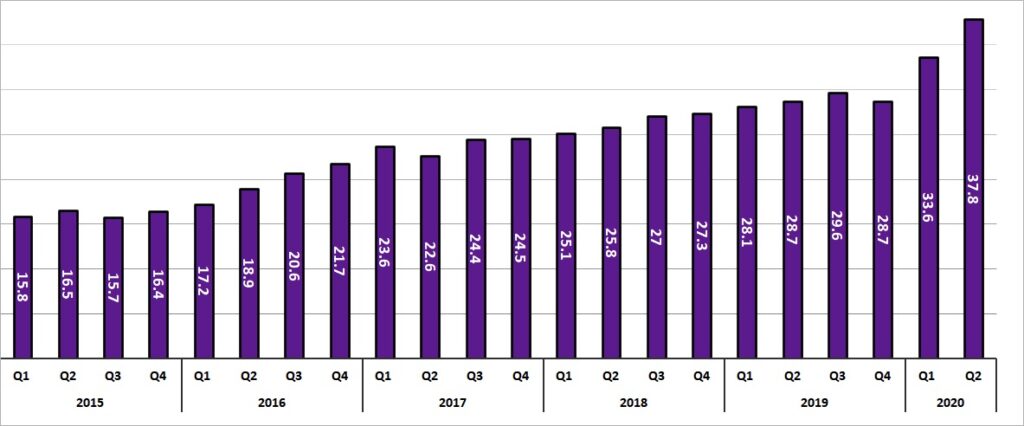
More than 70 billion apps have been downloaded in the first half of 2020 (the pandemic has surely played an important role in this matter).
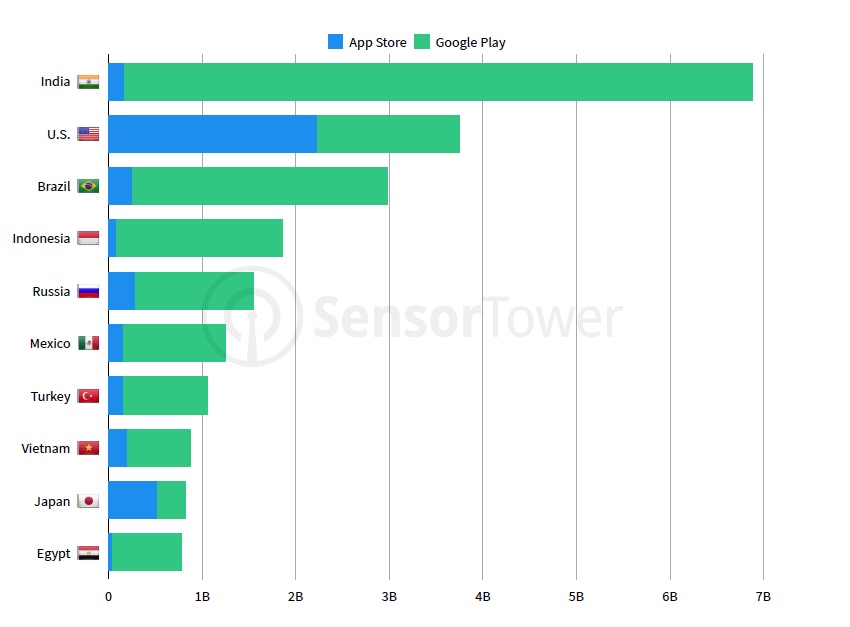
In the second quarter of 2020, almost 7 billion apps have been downloaded in India alone (the most part from Google Play Store), almost 4 billion in the United States (mostly from App Store), while 3 billion apps have been downloaded in Brazil.
In the same period, Zoom and TikTok* have also been downloaded very frequently, with around 300 million downloads worldwide.
In the last 3 years (2016 to 2019) app downloads increased by 45%.
Enhancing your ASO skills and periodically working on such optimizations will get you in a leading position in such a strategic sector as the one of mobile-driven internet access. Even in this occasion, MarTech comes to the rescue, with tools and platforms that enable you to be always up-to-date with the best-practices related to ASO.
If you are ready to enrich your technology stack with one of these solutions, we suggest to start from one of these articles:
- https://www.meatti.com/blog/aso-tools-app-store-optimization/
- https://www.businessofapps.com/marketplace/app-store-optimization/
- https://medium.com/app-makers/best-aso-tools-list-7ea5d0492d6c
In conclusion, ASO is certainly an important practice to manage for an app to be successful on the market. But it also plays an important role in the app marketing strategy and it is undoubtedly the best tool to improve the success of an app and its user-experience. Last but not least, it allows budget savings as it increases organic downloads. The majority of users browse stores without knowing exactly what to download: so, why not trying to be as persuasive and appealing as possible, taking advantage of the potential that an accurate ASO strategy can offer?
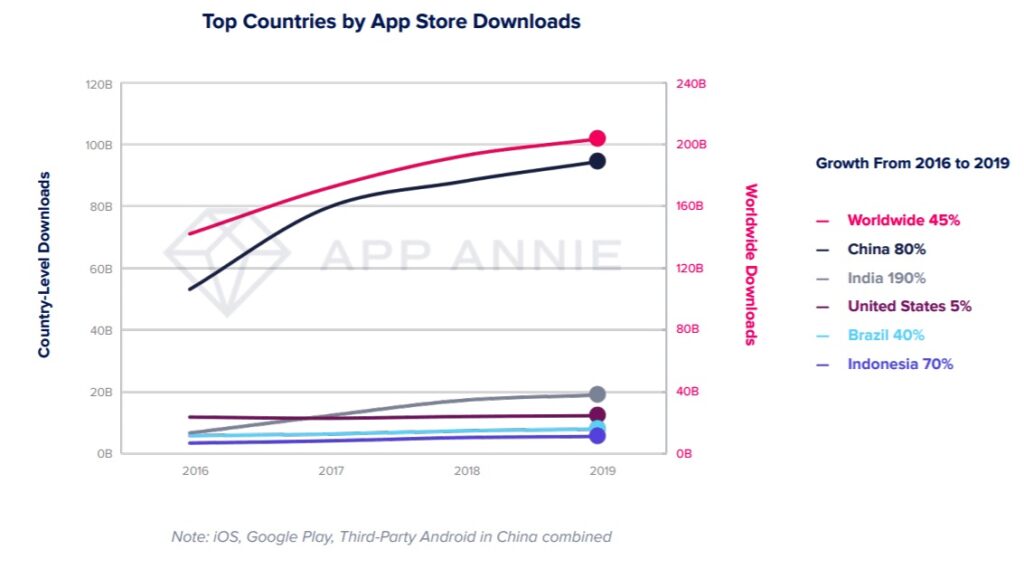
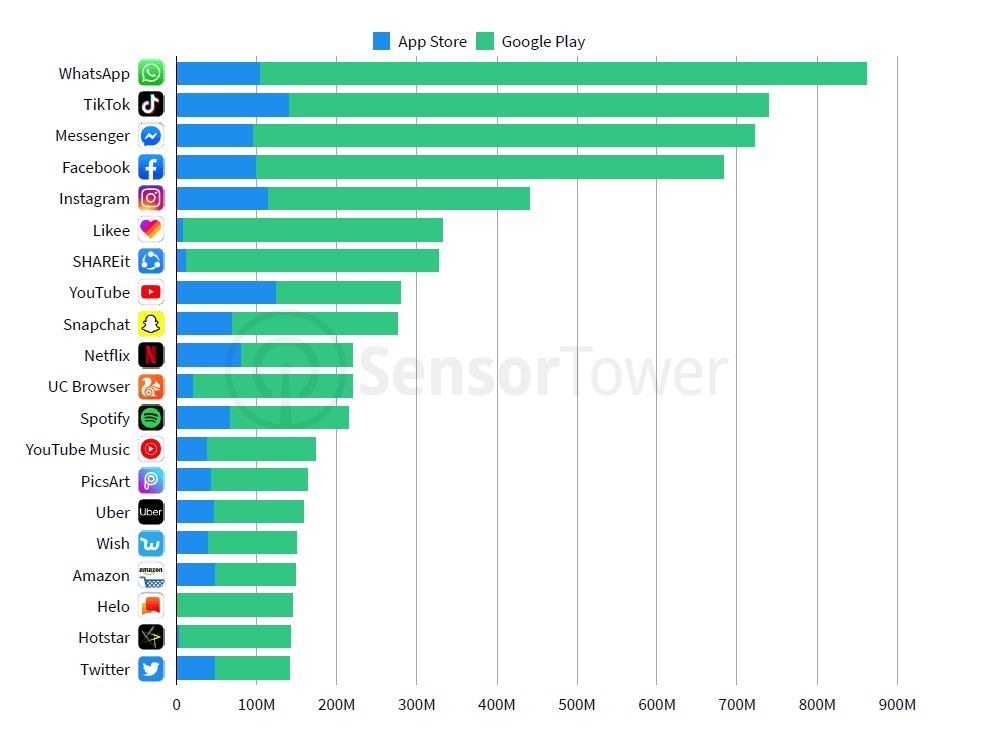
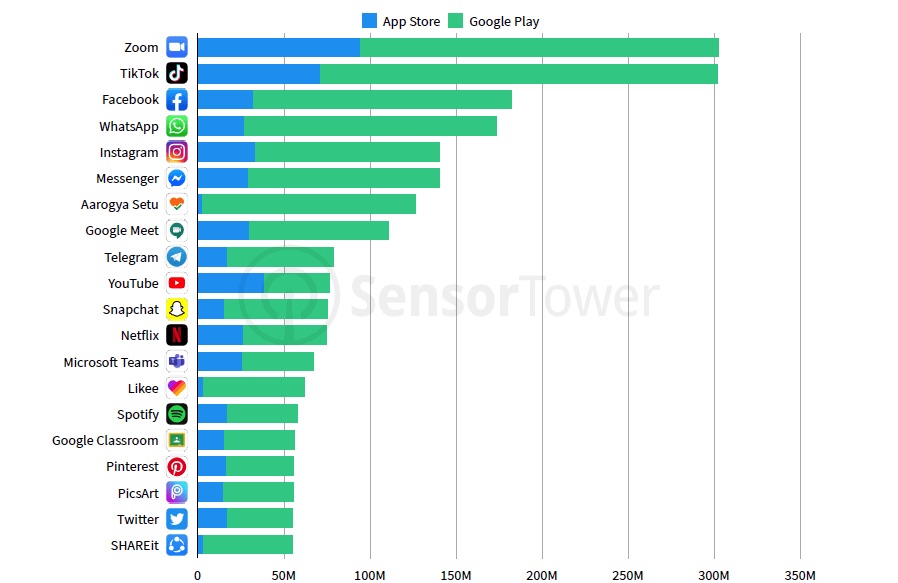
*Last two rankings, not considering Chinese third parts’ downloads, do not include statistics fro apps such as WeChat, Tencent Video and Alipay. Added downloads of Douyin (Chinese version of TikTok) could have led Bytedance’s social network to the first place.