


Digital marketing has become an increasingly important aspect in the success of any company in today’s post-pandemic, media-dominated era and any successful brand would be willing to contest that strong marketing strategies and powerful advertisements are a key factor in elevating a company to the next level. The world of business is increasingly dominated by marketing strategies, as evident by the fact that 56% of businesses are modifying their business models to capitalize on digital opportunities, according to Simplilearn. As a matter of fact, according to Colorlib, businesses that plan their marketing are 331% more successful than those that do not. The truth is: the ability to effectively reach and engage with a target audience is key to bringing your company to new heights, and the first step to successful digital marketing is creating an impactful marketing strategy. If you want to learn more about the importance of a strong marketing strategy and about some companies that have prospered largely because they were able to successfully carry out their marketing strategies, you are in the right place!
So, what even is a marketing strategy? Mediaspace Solutions defined it best: “It’s a group of techniques that allow your organization to direct its resources and budget toward the best opportunities so you can get the best return on your investment and increase your bottom line.”
Let’s take a look at some companies that have successfully carried out their digital marketing strategies:
Nike
Nike has been a major player in the athletic footwear market since it went public in 1974 because of its high-quality products, its availability in a wide range of markets, and our focus today: its straightforward digital marketing strategy. According to CISMarket, in fact, as of Q3 2023, Nike dominates with a market share in the Apparel, Footwear & Accessories domain of 39.75%, whereas its closest competitor, VF Corporation, only holds a market share of 8.75%. In an even more niche market, athletic shoes, Nike holds a market share of approximately 62%, making it the most popular sporting footwear brand on the market. So, how are so many people familiar with Nike’s classic tagline of “Just do it,” and how have the brand’s shoes, famous athlete endorsements, and swoosh logo (which was designed for just $35) become so timelessly influential? First off, Nike has created a distinct identity as a sportswear brand, specializing in light, comfortable shoes that can “go the distance.” The brand specifically targets athletes of all levels, rather than any group of individuals, because they have identified athletes as the starters of trends in the athletic domain. Nike utilizes emotional marketing to capture their audience, very often focusing on positive, motivational, and inspirational messages, specifically for their digital advertisements. Rather than putting their high-quality products in the limelight of their advertisements, Nike often focuses on athletes’ or people’s struggles, creating a storyline that almost anyone can relate to. This helps Nike break away from targeting only a certain class of people, as the struggles and messages being shared are vague enough that anyone can put themselves in the pictured athlete’s shoes, regardless of factors such as status, age, or geographical location. Nike emphasizes the struggles behind success, particularly in the athletic sector, with relevant and industry-specific messages and visuals, as a way to reel in more customers and build their brand image. On top of this, Nike is well known for their work with celebrity and professional athletes, such as Ronaldo, Lebron James, and Tiger Woods. These celebrity athletes share their own stories and journeys through various social and digital platforms, which expands Nike’s reach and provides viewers with a connection to people whom they already look up to, on top of associating the Nike brand with success. As the brand is associated with successful athletes and is known for its high-quality products, Nike is able to set relatively higher prices than their competitors and still generate high returns. Nike knows better than most the importance of a strong advertising strategy, and how it can help bring any brand to the next level, and even spent a whopping $3.1 billion on marketing and promotion in 2022.
Fun Fact: According to Mageplaza, Nike’s SEO strategy is also top-notch, landing over 60 million users on Nike’s website monthly, who spend almost 7 minutes on the site and browse almost 5 pages on average.
Let’s take a look at some of Nike’s riveting digital advertisements:
“Dream Crazier” ad for the “Just Do It” campaign

Nike released this “Dream Crazier” commercial advertisement highlighting the achievements of women who have shattered sports barriers throughout history. The commercial, narrated by tennis star Serena Williams, debuted during the 2019 Oscars featuring an all-female cast and celebrated their achievements in a large range of sports, aiming to inspire and empower women in sports and encourage female athletes to dream big and push the boundaries of what is possible. According to a case study performed by StudyCorgi, the commercial led to a 31% rise in sales, and “highlights that the more an advert targets a consumer’s emotions, the stronger the bond established between the product and the consumer,” in this case the advertisement led to an increase in women making purchases, demonstrating that the commercial effectively strengthened the connection between female customers and Nike’s products.
“Failure” ad for the “Become Legendary” Campaign
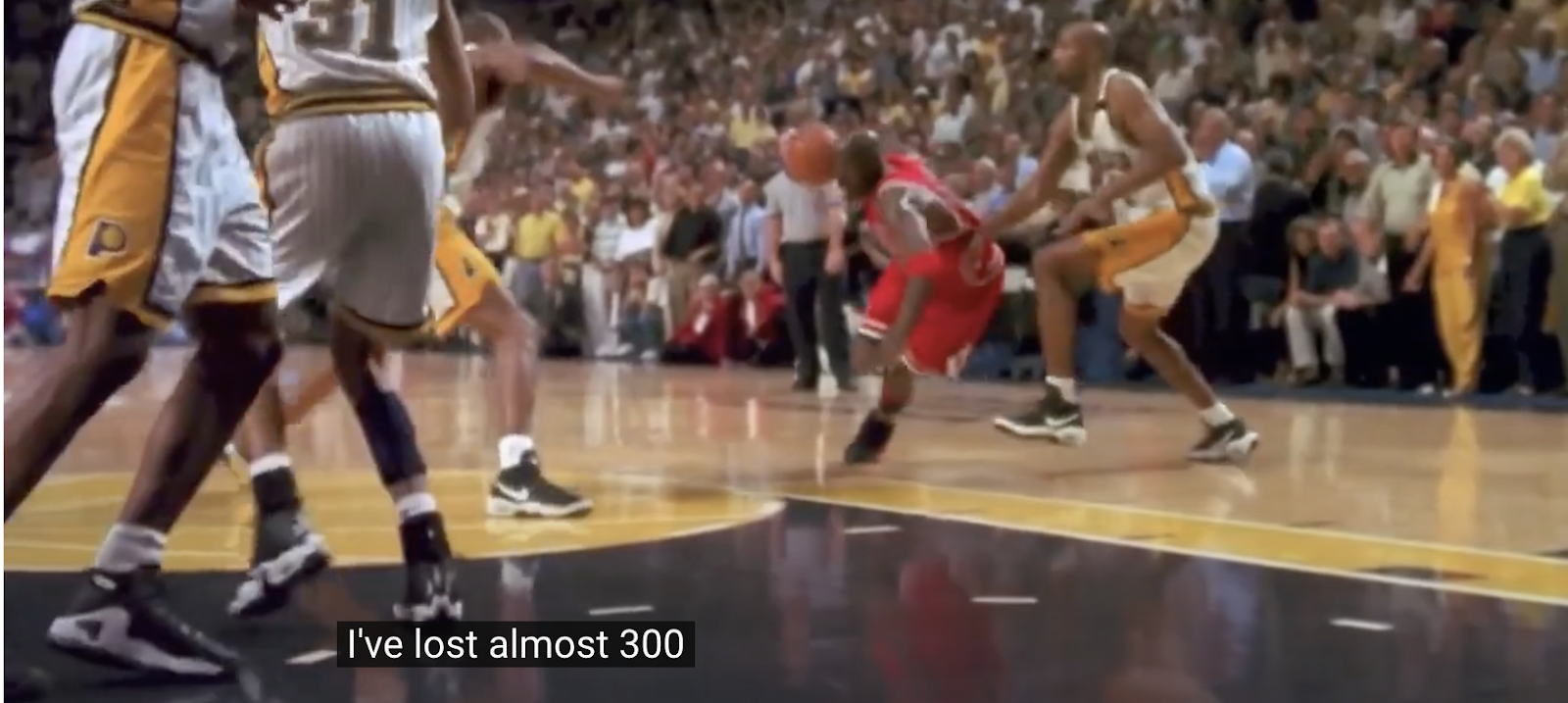
Nike’s “Failure” television advertisement was initially unveiled in a black and white version in 1997, however, in 2008, a revision was introduced featuring the same voiceover by Michael Jordan but with the pictured imagery. This memorable and iconic commercial features Jordan discussing many of the failures he has faced in his career, such as the thousands of shots that he has missed, and how those failures are what brought him to his success through the hard work he put in so he could move past his setbacks. Because of the strong emotional storytelling and standout celebrity promotions, this 2008 advertisement has reached an array of social media platforms including Youtube, TikTok, and Instagram, and has been picked up by major online streaming networks including ABC, ESPN, TNT, and CBS. Since Nike’s long-term partnership with Jordan beginning in 1984, Nike has released many successful advertisements featuring Jordan’s journey, accomplishments, and setbacks, all centered around broader messages of determination, resilience, and the pursuit of greatness. These advertisements led to wildly successful sales for Nike. In fact, the brand released an Air Jordan sneaker line in April 1985, as part of their partnership with the basketball star, with the estimate of making $3 million in sales within the first three years. According to a case study conducted by Beloved Brands, sales greatly surpassed their goal and the Air Jordans sold a remarkable $167 million in the first year alone, quickly helping Nike become a leader of the basketball shoe market, greatly thanks to the brand’s strong digital marketing with Jordan.
McDonald’s Corporation
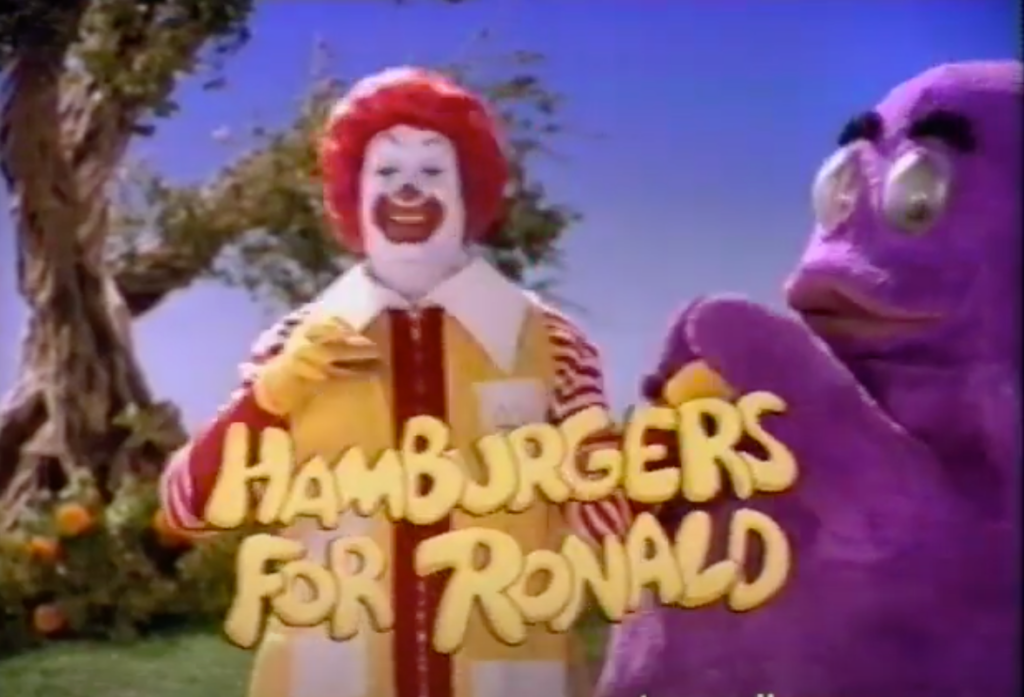
McDonald’s is one of the world’s most well-known and largest fast-food chains globally, owning more than 40,000 locations in about 100 different countries. People of all ages around the world are familiar with the brand’s famous golden arches, and it has steadily been able to hold onto a market share of over 40% in the hyper-competitive global fast-food market, according to a Seeking Alpha report. Since its founding in 1940, McDonald’s Corporation has developed an innovative business model relying on standardized procedures, assembly-line production, and cheap prices. But that is not all that brought the brand to the top of the industry. McDonald’s would not be nearly as successful as it is today if it were not for their strategic digital marketing strategy, which focuses strongly on creating and sustaining a powerful brand identity. To reach more customers, McDonald’s invests a great deal of money into their digital advertising efforts. A report by Restaurant Dive found that the brand spent over $3.7 million on its mobile app alone in 2019, and according to Zipdo McDonald’s spends around $50 million on digital advertising annually. McDondald’s marketing strategy focuses on different sectors, including digital, TV, radio, newspapers, and out-of-home advertisements, promotions, and placement. Being aware of its vast target audience, McDonald’s successfully centers their advertising efforts around their preferences, allowing them to reach and connect with more customers, aiding in creating strong relationships with their customers, and fostering a sense of brand loyalty. I am sure most of us are familiar with McDonald’s primary Mascot: Ronald McDonald, which is a great example of this and showcases just how well-known the brand truly is. Although he retired in 2016, he played a key role in McDonald’s marketing plans, acting as a brand ambassador and spokesperson through various digital ad campaigns, and often was used to promote the company’s philanthropic efforts and community involvement. In fact, in 2013, according to Reader’s Digest, “Ronald McDonald House Charities – the nonprofit organization that is McDonald’s charity of choice – raised around $450 million. It used those funds to help nearly 9 million children and their families worldwide. Today, RMHC has nearly 300 local chapters in 58 countries and regions.”

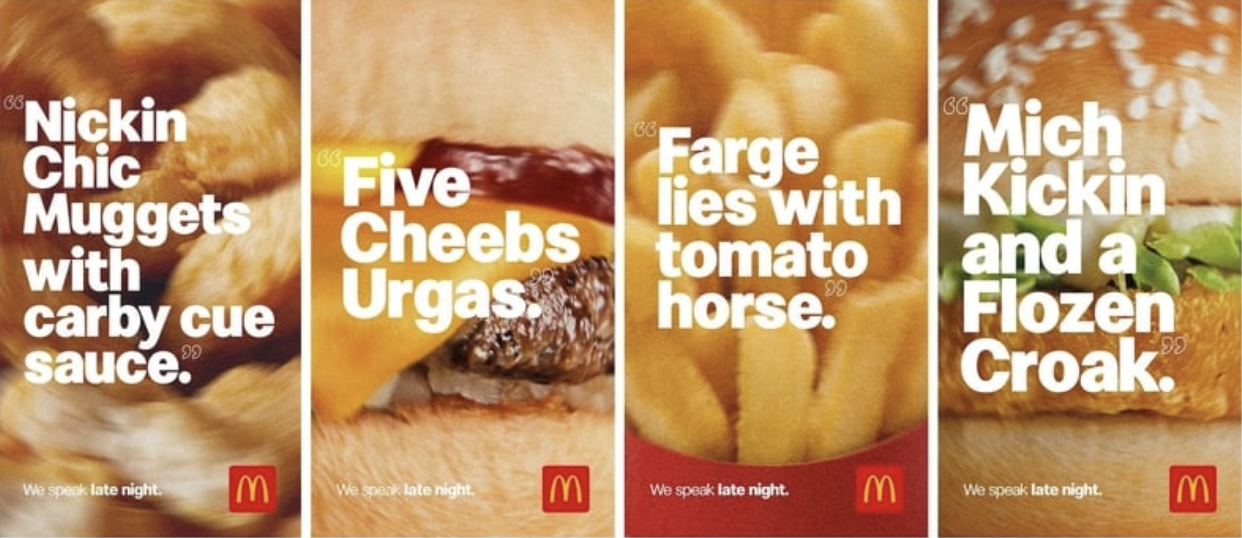
To continue, many of McDonald’s advertising campaigns focus on utilizing humor and being relatable. An ideal example of this is a campaign they launched this year in New Zealand called “Stumbling into Mc’Ds.” In this campaign, the brand introduced a series of lighthearted advertisements that playfully replicate the phrases and sentiments people express when they find themselves at a McDonald’s restaurant in the post-night-out hours. The campaign takes a witty and relatable approach to expressing the slightly disoriented language used by their customers after a night out, showcasing a brilliant example of understanding and connecting with their target audience.
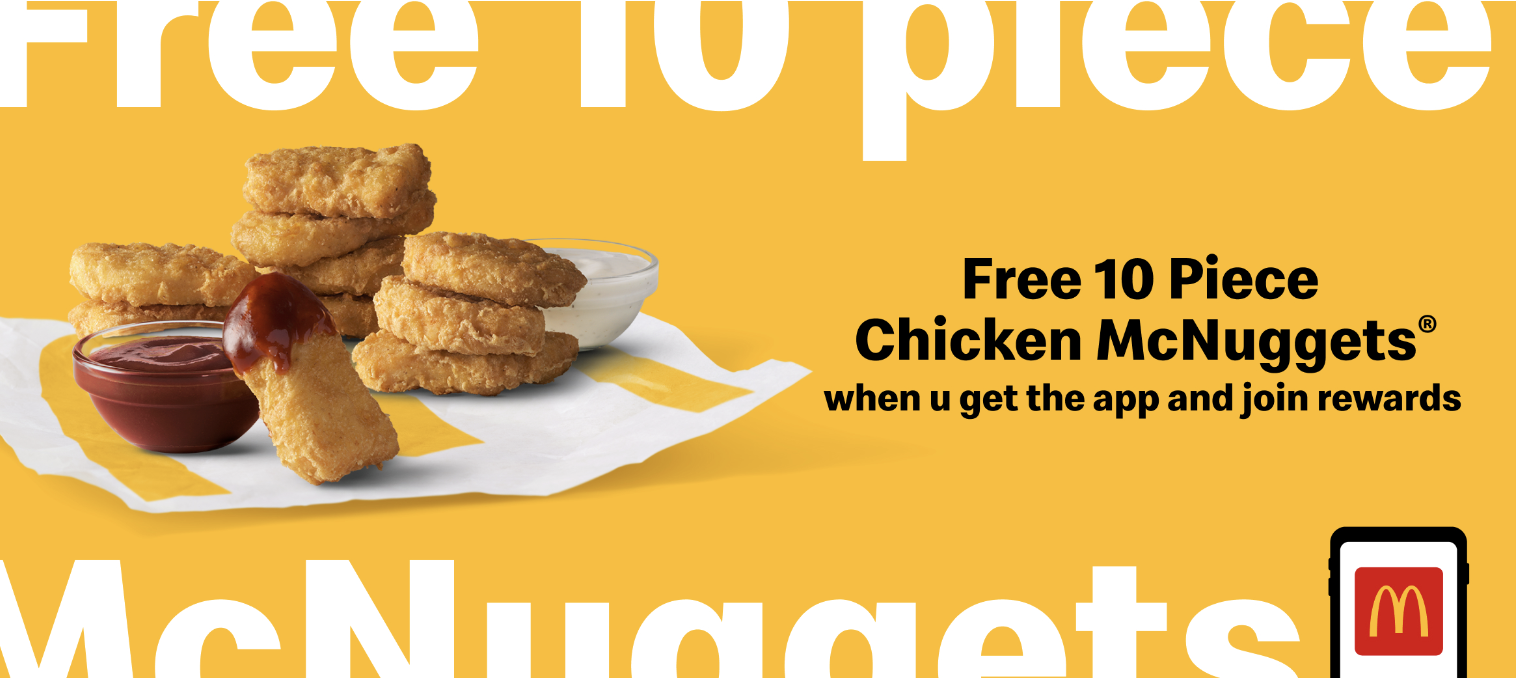
McDonald’s also digitally promotes their brand through the McDonald’s app, incentivizing customers to download the app and join the MyMcDonald’s Rewards program with special deals. In Italy, for example, customers earn a free 10-piece chicken McNuggets just for joining the rewards program. On top of this, customers can get points for purchases made anywhere in the world. Once accumulating enough points, customers can trade them in for a variety of free meals. Namely, once hitting 1,500 points, customers can choose between a free McChicken sandwich, hash browns, a vanilla cone, or a classic cheeseburger. The more points you have accumulated, the greater meals you can trade your points in for. For instance, once reaching 6,000 points, customers can choose between a Big Mac, a Quarter Pounder with cheese, a Happy Meal, or a bacon, egg & cheese biscuit. McDonald’s rewards program has proven to be a success, as demonstrated by one case study by YouGov, which exemplified that McDonald’s customers have positive feelings towards the loyalty program. Indeed, the study found that 78% of McDonald’s current customers agree that loyalty programs are great ways for brands and businesses to reward their customers, 57% say that they spend more money with brands that they are a loyalty member of, 51% say that they are more loyal to brands they are a loyalty member of, 47% say they are more likely to recommend brands when they are a member of their loyalty program, and 41% say that they feel more emotionally connected to brands when they are a member of the brand loyalty program.
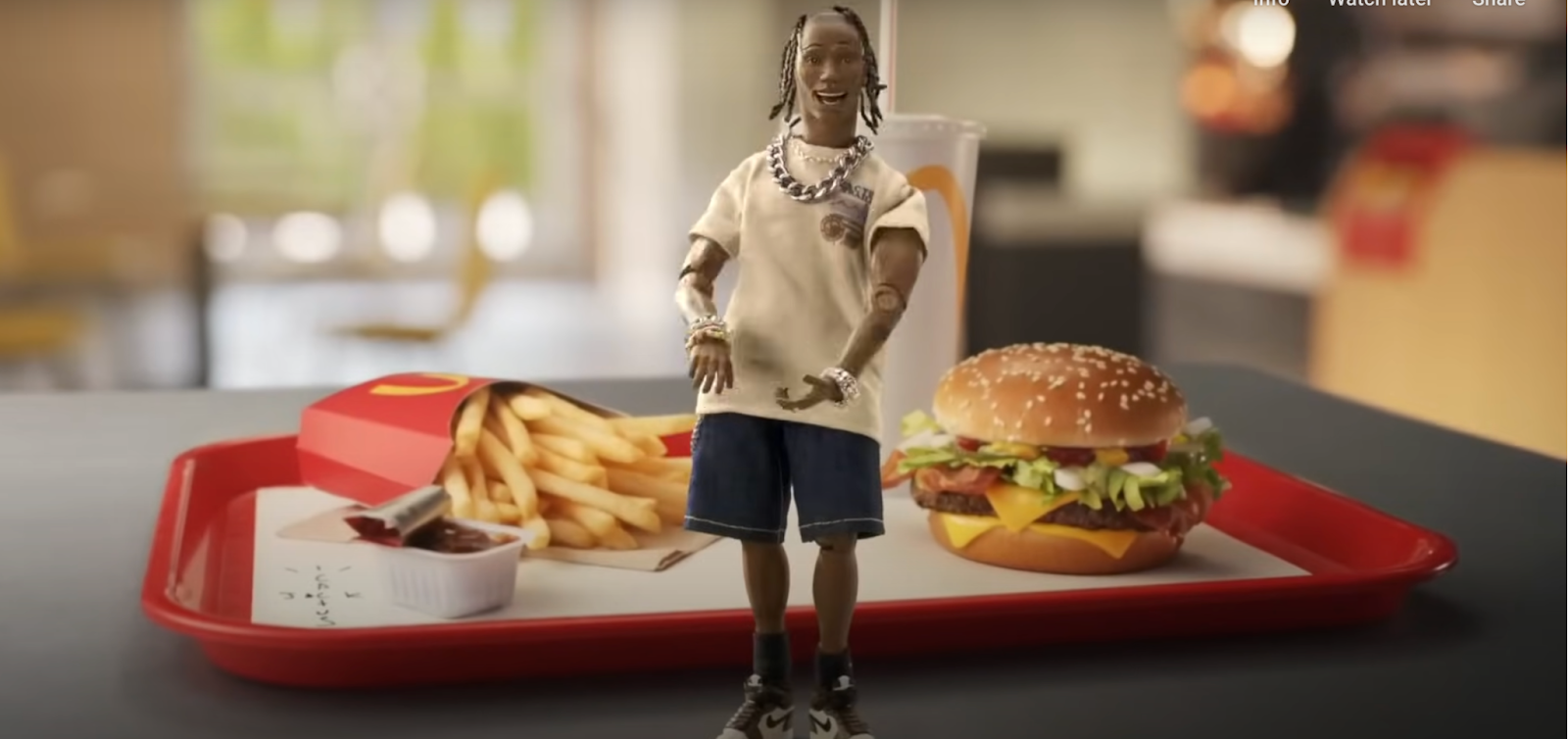
On top of this, McDonald’s is also known for partnering with celebrities, and for creating specialized meals and digital advertising campaigns around these partnerships. In the past, McDonald’s has worked with many high-level celebrities including Travis Scott, Cardi B, and Offset, which the brand widely promotes using digital advertisements and social media posts. These celebrity partnerships have worked to increase brand awareness and consideration and drive higher levels of sales. The Travis Scott Meal according to Digital Resource, for instance, was reported to have boosted sales at McDonald’s locations by up to 4.8%, a substantial increase for a company as large as McDonald’s.
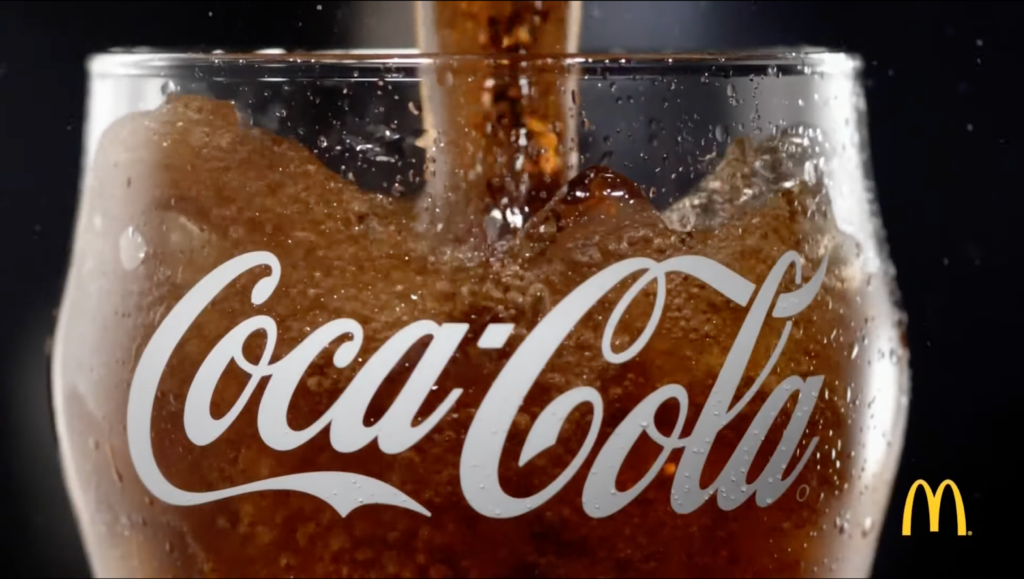
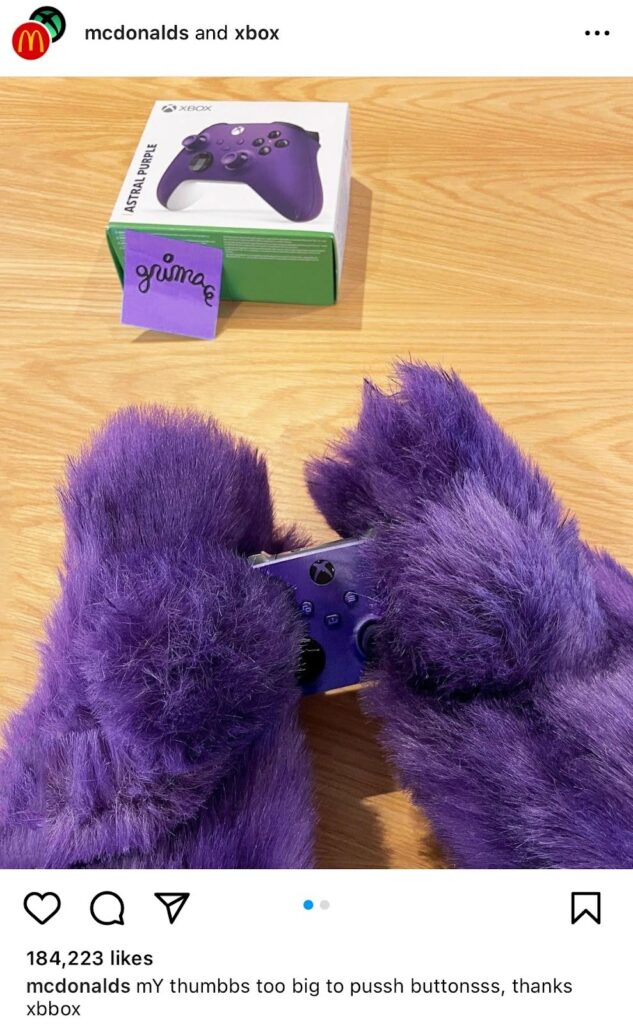
Additionally, McDonald’s often utilizes co-branding strategies to strengthen its reputation while cutting down on advertising costs. A prime example of this is McDonald’s long-term, and manually beneficial partnership with Coca-Cola. The brands promote each other to a wider audience because McDonald’s sells Coke products in its restaurants, and the brands promote each other in their digital advertising efforts. Some other examples of McDonald’s co-branding partners include UberEats, Xbox, and Nike. Another factor driving more customers to McDonald’s is the timelessly trending question: Why is Coca-Cola so good at McDonald’s? Well, the answer is quite simple. According to The New York Times, “At other restaurants, Coke syrup is delivered in plastic bags. But for McDonald’s, Coke delivers its syrup in stainless steel tanks that ensure freshness, creating what many believe is the best Coca-Cola available.” Interestingly, according to Supply Chain World, Coca-Cola has an entire division dedicated to serving the needs of McDonald’s vast corporation.
McDonald’s “I’m lovin’ it” slogan is also widely recognizable to be associated with the brand. Their slogan exhibits a recognizable visual style, color scheme, and aesthetic, including their signature red, white, and gold colors and their signature font. These factors align with the look McDonald’s utilizes on all platforms, from their social media to their physical store locations, allowing viewers to instantly associate McDonald’s advertisements with the brand that is universally recognized and cherished.
The brand is so recognizable, particularly by its golden arches, that it can create effective advertisements without even specifying its name, as pictured below. The golden arches have become a globally recognized symbol of convenience, comfort food, and accessibility, and this level of brand recognition is both an indication of the brand’s reach and a powerful asset for McDonald’s advertising efforts. Their advertisements have such exceptional strength in brand recognition, in fact, that according to Medium, 98% recognize a 60-second spot as a McDonald’s ad before the end. McDonald’s utilizes this tactic in both their TV, out-of-home, and digital advertising. One specific McDonald’s television commercial played on its ties with Coca-Cola, and the fact that McDonald’s is well-known for having exceptional tasting Coca-Cola, without ever once mentioning the name McDonald’s or showing any McDonald’s signs or symbols other than color. Rather the ad features an actress wearing a bright yellow dress in front of a red backdrop (sound familiar…?), calling on viewers to search Google for “that place where Coke tastes so good.” The campaign was promoting McDonald’s $1 any size Coke offer, and among the many many people who already know the answer to this question, and all of those who went to Google for the answer, it was wildly successful in drawing attention to McDonald’s. In fact, according to another case study performed by Medium, in 2017 when the commercial was released the advertising campaign resulted in the phrase being searched 165,000 times in April, 2,400 times in May, 1,000 times in June, and 590 times in July.


Fun Fact: McDonald’s menu options differ depending on where you are to adapt to the cultural preferences and traditions of every country. For example, you can only order McShrimp in Germany, McSpaghetti in the Philippines, and Pizza Bites in Italy!
Patagonia
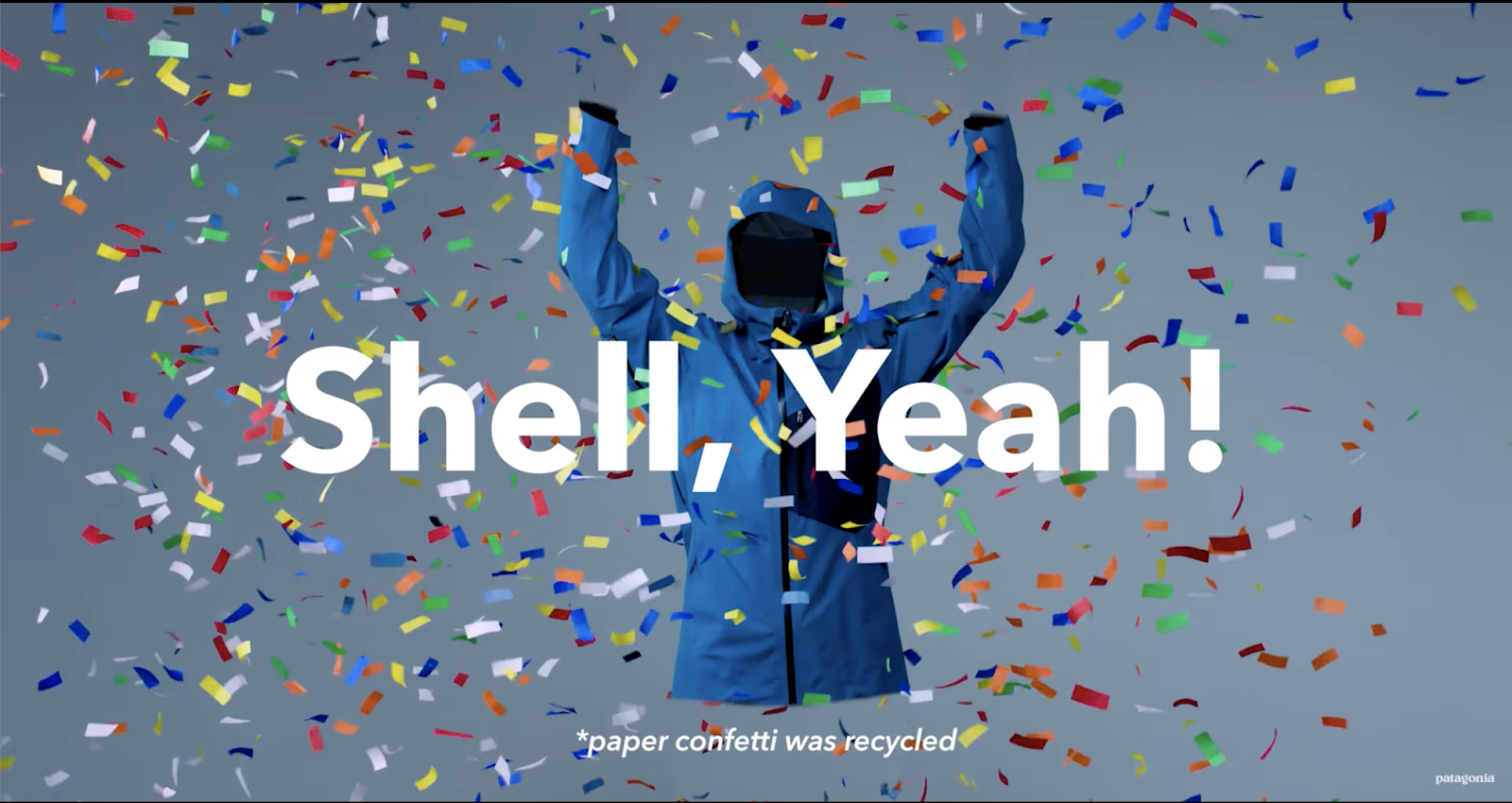
Patagonia, which manufactures and markets outdoor clothing and gear such as jackets, pants, sleeping bags, and backpacks is the #1 shareholder in the highly fragmented outdoor apparel market, holding just under 10% of the market share, according to CNBC. Like Nike, Patagonia utilizes emotional marketing tactics in its digital advertisements, however, Patagonia takes a less traditional route in doing so. Patagonia’s values and ethics are in the limelight of all its advertising efforts, and one of its largest values is driving a positive environmental impact. According to Strategy Factory, in fact, 100% of electricity in its US facilities is from renewable sources, 98% of Patagonia’s product lines use recycled materials, and since 1985, Patagonia has donated 1% of its profits to grassroots environmental groups, summing over $140 million. Patagonia not only targets outdoor adventure lovers with their products, but it also strongly targets people whose ethics and values align with their own. The brand highlights its attempts to impact the environment positively and help society as a whole, “emphasizing values such as People, Planet, Purpose, and Profits” (IIDE) often through digital marketing on various online platforms. Patagonia also highly values authenticity and transparency and strongly utilizes digital marketing to “be honest about its manufacturing, procedures, supplier chain, and sustainable business practices.” Such practices resonate with conscious customers, enhancing the brand’s credibility and allure to those with ethical values. On top of this, according to Nattive, who has worked as Patagonia’s marketing team in Europe since 2015, Patagonia has, “supported huge environmental projects like Save the Blue Heart of Europe and Shell, Yeah! campaigns, established processes for ongoing NGO support, and helped them continue to prosper on newer ad platforms,” which align with the brand’s core values of sustainability and driving a positive environmental impact.
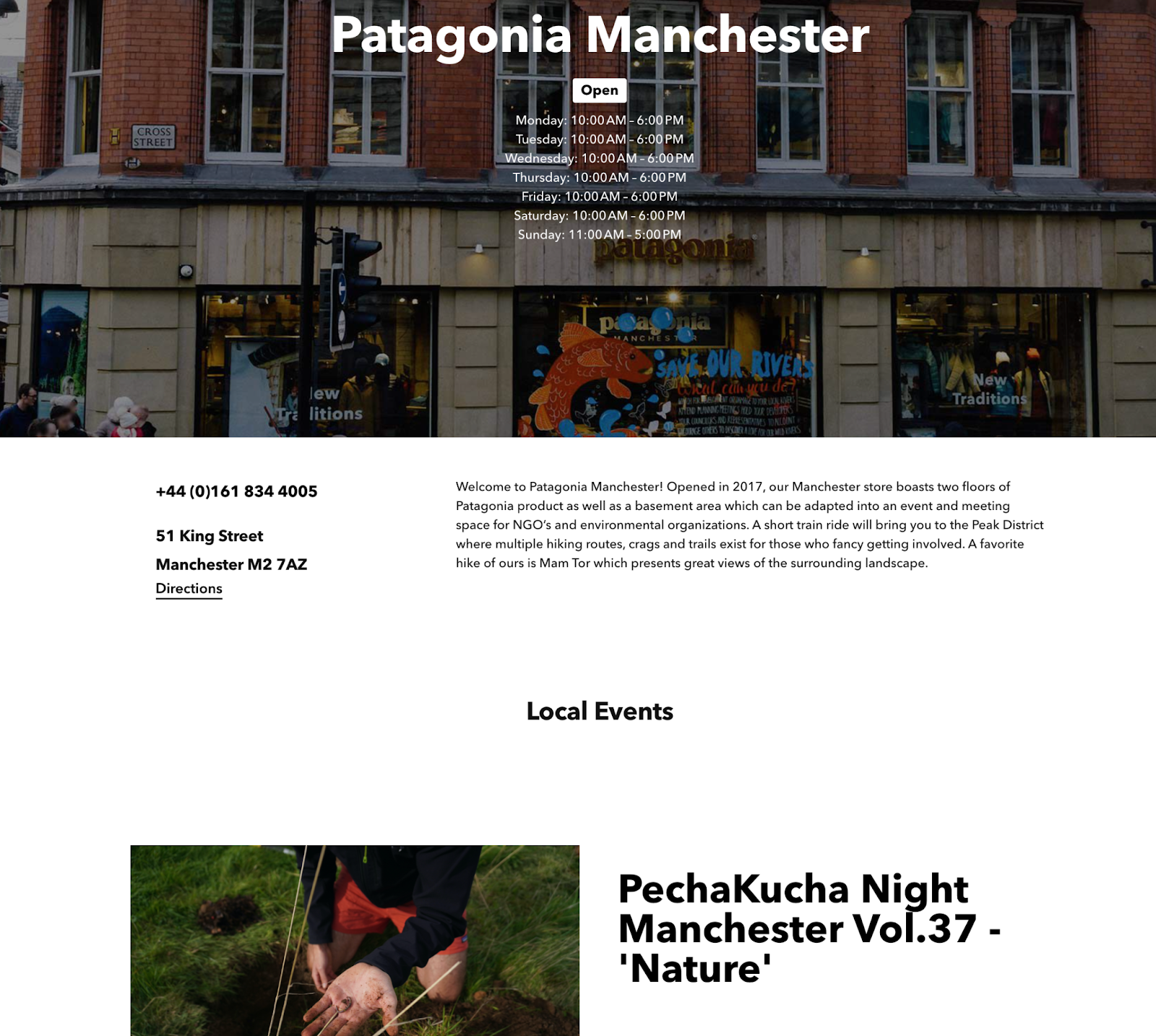
Additionally, the brand has employed digital and paid social marketing strategies to draw attention to an array of Patagonia events, including product and store launches. This effectively helped Patagonia to create a loyal customer base locally at their storefronts. Along with this, Patagonia highlights local events they are involved with on their website pages.
On social media, Patagonia places great emphasis on raising awareness for environmental issues, sharing how the brand has made a difference, how people can make a difference on an individual level, and interacting with its followers. Through engaging social media posts, stories, and updates that showcase its products, culture, and events, the company cultivates an inclusive, connected community across its social platforms. Moreover, by utilizing a storytelling strategy and spotlighting its founding, history, and eco-friendly advances across digital platforms, the brand fosters a deeper connection with customers. Furthermore, Patagonia’s website makes online shopping very easy for customers to find products that align with their needs and preferences, and showcases product information such as its social impact, accelerating customer purchases.
Let’s take a deeper look at one of Patagonia’s most influential digital advertisements:
“Don’t Buy This Jacket” Campaign
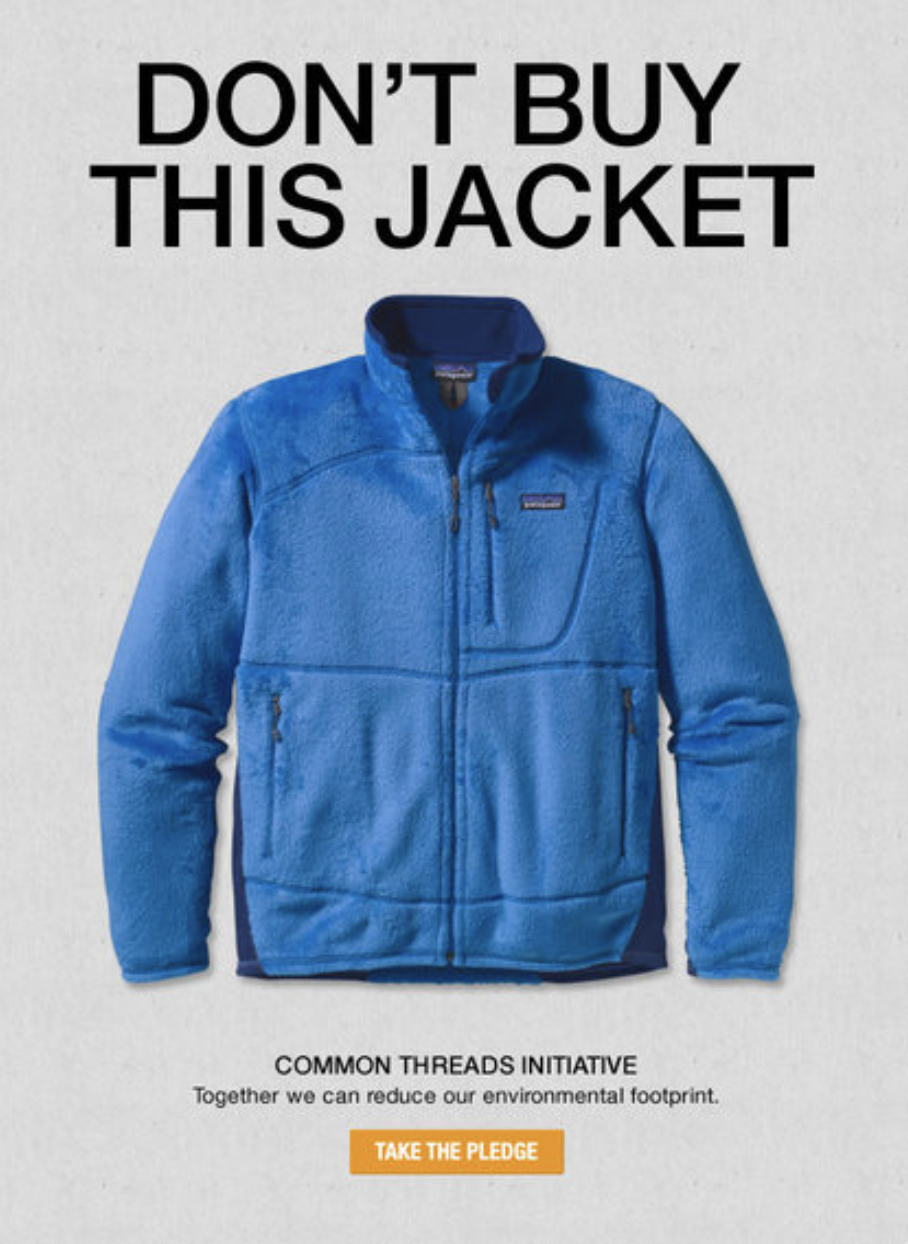
One of Patagonia’s non-traditional advertisement campaigns called “Don’t Buy This Jacket” was released in 2011 on Black Friday, the largest shopping day of the year. The campaign was publicized on multiple digital and paid social platforms, including as an email newsletter to subscribed Patagonia customers and as a full-page ad in the New York Times. The advertisement’s goal was to raise awareness for and convince users to work to reduce their own environmental footprint. The ad asked shoppers to pledge to cut down on consumption, and instead focus on sustainability, strongly aligning the company’s values and ethics. Additionally, as Harvard Business Review’s Eric Lowett points out, “There’s a subtle undertone to Patagonia’s reuse effort that tells customers its products are high quality – think: they’re so durable, they’re reusable” (Insider). Although the campaign was not necessarily so successful in its intended purposes, it was wildly successful for the Patagonia brand overall. In fact, according to a case study by Medium, product sales rose 30% following the campaign, and on top of that, it did raise awareness of the increasingly pressing problem of saving our planet.
Fun Fact: After the acclaimed 2011 campaign, Patagonia’s 2016 Black Friday campaign vowed to give all revenues generated to environmental protection groups. Sales figures reached $10 million, quadrupling the company’s estimates.
Clearly, without a strategic digital marketing plan, these dominant brands would not have the same reach, recognition, or customer loyalty as they have proven to have. For business at all levels, from start-ups to global powerhouses, strategic marketing can propel your brand to new heights. So, before jumping into digital marketing or creating advertisements, step back and consider factors such as what tone of voice you want to communicate to your customers, and what can help you connect with your target audience by understanding their needs and values. And most importantly, stick to your plan. Consistency is key when it comes to your digital marketing strategy if you want to present your customers with a cohesive brand identity that resonates with your audience, no matter what digital platform you are on.